Health alarms have been raised again in Asia. Indian authorities are working against the clock to contain an outbreak of the Nipah virus (NiV) in the state of West Bengal, after five positive cases were confirmed, including among medical personnel. With nearly 100 people in quarantine and hospitals on high alert in Kolkata, the world is watching this pathogen closely, which the WHO considers a “high priority.”
What is the Nipah virus and why is it so frightening?
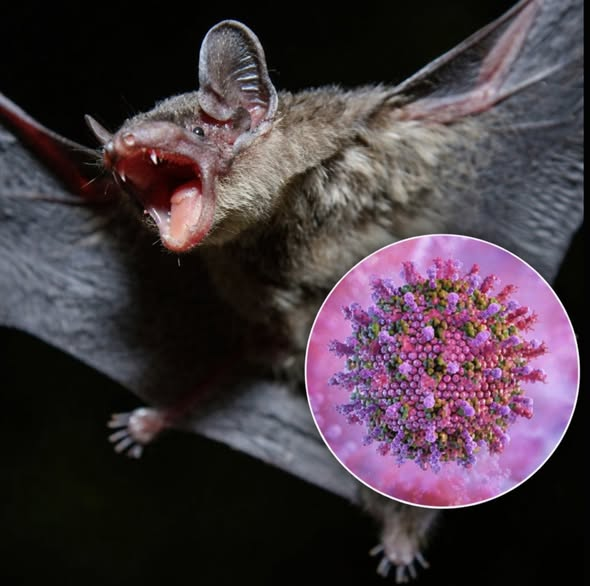
Nipah is a zoonotic virus (one that jumps from animals to humans) whose natural reservoir is fruit bats. What makes it particularly feared is its mortality rate: it is estimated that between 40% and 75% of those infected die, a figure drastically higher than that of other recent viral diseases.
Added to this is a critical factor: there is no vaccine or specific treatment. Management of the disease is solely supportive, treating symptoms as they appear.
Nipah virus symptoms: from a common flu to brain inflammation
One of the biggest challenges with Nipah is that its initial symptoms are nonspecific, making early detection difficult. According to the CDC, the incubation period ranges from 4 to 21 days. Patients typically present with:
• Sudden fever and severe headache.
• Muscle pain and extreme fatigue.
• Respiratory problems (pneumonia in severe cases).
• Encephalitis: the most dangerous symptom. Inflammation of the brain can cause confusion, disorientation, seizures, and eventually, coma.

RED ALERT: NIPAH VIRUS OUTBREAK IN INDIA – 75% MORTALITY RATE, NO VACCINE AVAILABLE.
The world is anxiously awaiting developments in West Bengal, India. The specter of a pandemic looms once again over the Nipah virus (the inspiration for the disaster film Contagion ), which is spreading in hospitals, with an extremely high mortality rate and no cure yet.
KEY POINTS:
Hospital outbreak
- 5 confirmed cases: Including a doctor and two nurses at a hospital in Barasat (near Calcutta).
- Status: A nurse is in a deep coma.
- Source of infection (index case): The nurses became infected after caring for a patient with severe respiratory symptoms (this person died before testing could be performed). This is an alarming sign of person-to-person transmission in a healthcare setting.
- Contact tracing: 180 contacts have been identified and 20 high-risk cases have been urgently isolated.
The Silent Killer (The Killer Virus)
- Origin: Fruit-eating bats.
- Transmission route: From animals to humans or from person to person through bodily fluids (saliva, droplets).
- Mortality rate: Up to 75% (much higher than that of COVID-19).
- Symptoms: Fever, vomiting, respiratory failure and, most dangerously, encephalitis (brain inflammation).
- Treatment: Currently there is no vaccine or specific treatment.
Thailand activates “Shield”
- Immediately after India announced the outbreak, Thailand (a major tourist destination) strengthened controls at international airports (Suvarnabhumi, Don Mueang, Phuket).
- Passengers arriving from India (especially West Bengal) are subject to strict medical surveillance.
- Hospitals in Thailand have prepared isolation areas for the worst possible scenario.
PERSPECTIVE
Let’s hope that 2026 doesn’t become a repeat of 2019.
- Diagnostic gap: The death of the first patient without timely detection (“Misdiagnosis”) is a wake-up call. The virus could have spread silently without us realizing it.
- International risk: With direct flights from Kolkata, the epicenter, to tourist destinations like Phuket, the risk of the virus spreading to the rest of the world is real.
CONCLUSION:
Nipah does not spread as rapidly as COVID-19, but it causes far more severe mortality. The fact that healthcare workers are becoming infected is the most alarming indicator. Closely monitor travel advisories for South Asia in the coming period.
Vietnam should also begin to raise its alert level for the disease and implement screening tests for passengers traveling to and from India and Thailand.