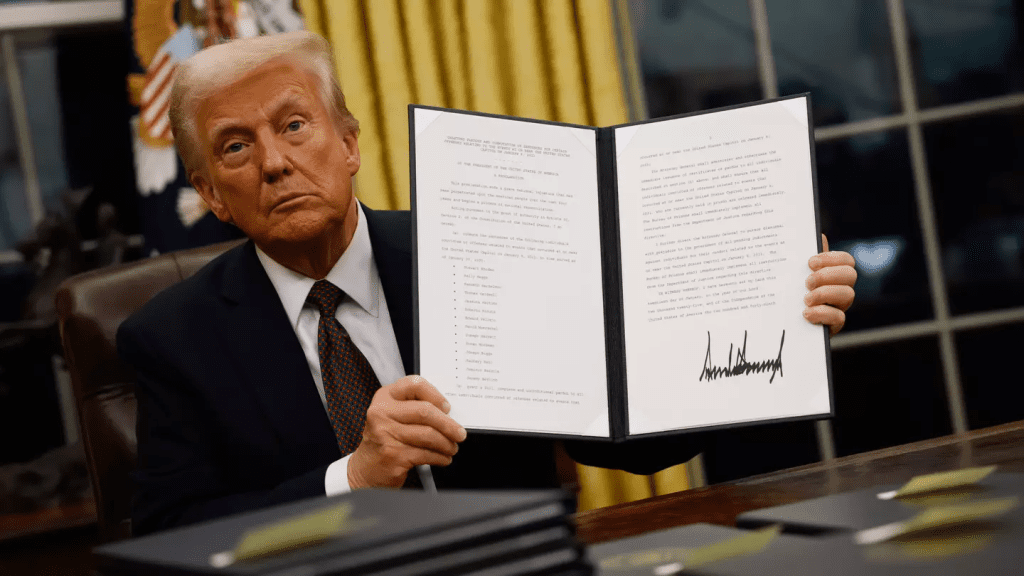
President Donald Trump wasted no time making his mark after being sworn in for his second term on January 20, 2025. In a bold move, he publicly dismissed four members of the White House staff, signaling his commitment to reshaping the administration according to his vision.
Trump’s early days in office have been filled with headline-making moments, including an awkward kiss with his wife, Melania, at the inauguration and a curious gesture from Elon Musk on stage. But it was the public firings that stole the spotlight. The president had previously made it clear that he intended to remove over 1,000 officials who had been appointed during Joe Biden’s presidency, and he followed through with that promise immediately.
In a post on Truth Social, Trump wrote: “My Presidential Personnel Office is actively in the process of identifying and removing over a thousand Presidential Appointees from the previous Administration, who are not aligned with our vision to Make America Great Again. Let this serve as Official Notice of Dismissal for these 4 individuals, with many more coming soon.”
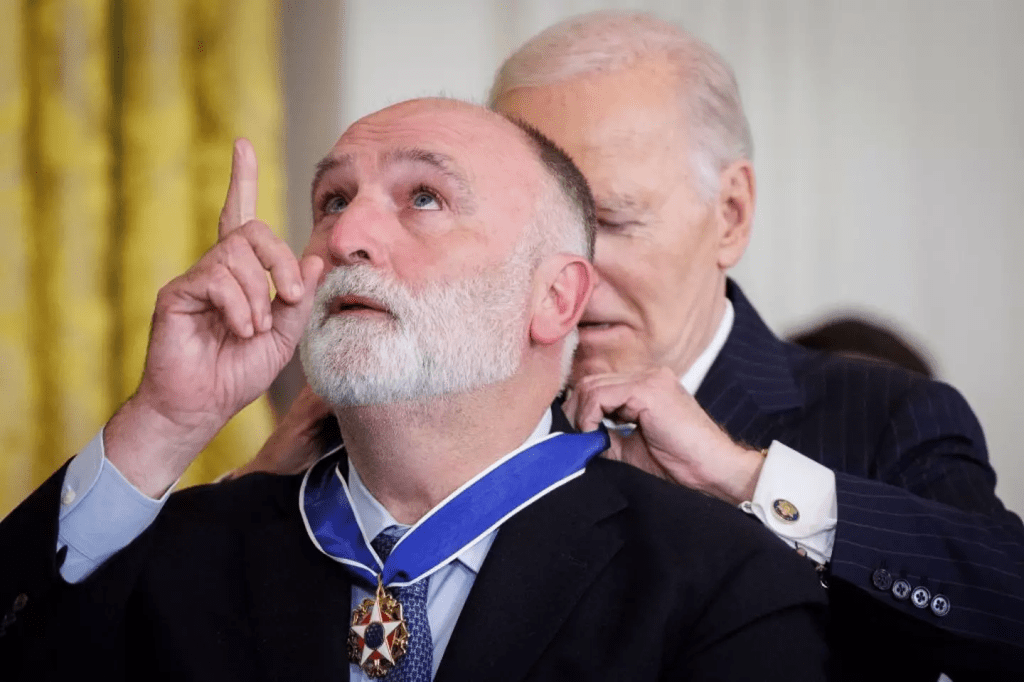
The four staff members named by Trump in his post were Jose Andres, Mark Milley, Brian Hook, and Keisha Lance Bottoms. The dismissals, particularly Andres, were not entirely unexpected, as the Spanish-American chef and Trump had clashed in the past, notably over Andres’ refusal to run a kitchen in the Trump International Hotel due to Trump’s controversial remarks on Mexican immigrants in 2015. Despite a past settlement between the two, Andres remained a vocal critic of Trump, even supporting Biden in the 2020 election. Following the dismissal, Andres clarified that his resignation had already been submitted, as his term had ended.
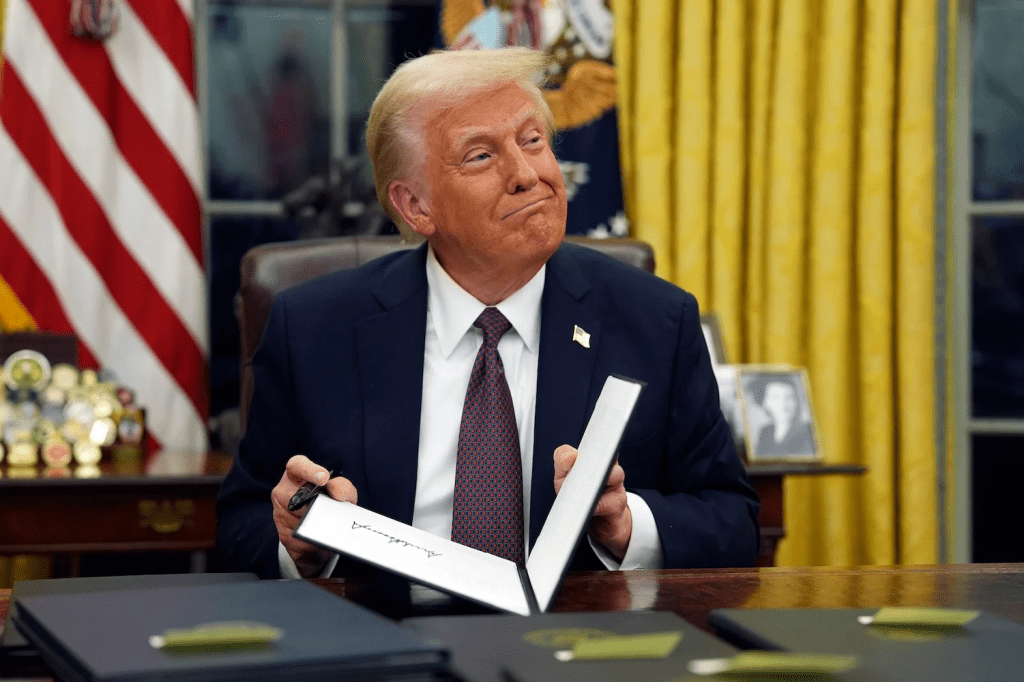
The Firings and Their Fallout
While some of these firings might have seemed like symbolic moves, they set the tone for what Trump promised would be a broader shake-up within the government. Along with removing individuals from key positions, Trump wasted no time in pushing forward with several key policies aimed at reversing Biden-era initiatives and asserting his authority.
Trump also signed numerous executive orders on his first day back in office. Some of the more controversial policies include a decree recognizing only two genders and an order to end what he described as “wasteful” diversity and inclusivity programs. He also announced the US’s exit from the World Health Organization (WHO), accusing the organization of mishandling the COVID-19 pandemic.
Additionally, Trump signed an order to temporarily lift the ban on TikTok in the US, a move that many had speculated would be part of his plan to reshape the digital landscape.
Among his first day’s actions were also measures aimed at addressing illegal immigration. Trump declared a national emergency regarding illegal immigration at the US-Mexico border and called for stricter policies, including sending US troops to assist immigration enforcement.
Further policy shifts included a controversial move to restore the death penalty as a tool for deterring heinous crimes, as well as plans to rename the Gulf of Mexico to the Gulf of America, symbolizing a push for American exceptionalism.
Energy and Economic Changes
Trump’s energy policy focused on what he called “unleashing American energy,” vowing to reverse restrictions placed on drilling, especially in Alaska, and promising to export US energy resources globally. He signed an order aimed at tackling high energy costs, which he argued had been worsened by burdensome regulations.
On the economic front, Trump promised to tackle the rising cost of living, focusing on reducing housing prices and promoting job creation. His administration’s focus would be on eliminating policies that he argued inflated the costs of food and fuel, particularly climate-related policies.
The administration also made significant moves on combating drug cartels, classifying them as terrorist organizations to increase the government’s ability to tackle international drug trafficking networks.
Federal Employment Reforms
One of Trump’s notable reforms was the designation of federal employees as political hires, making them easier to remove. Additionally, he declared a hiring freeze in the federal government, aiming to reduce the size of the government and promote efficiency.
A Divisive Start
While Trump’s supporters are applauding his swift action in fulfilling campaign promises, critics argue that many of his policies may be divisive and could exacerbate political tensions. Nevertheless, Trump has made it clear that he intends to reshape the US government in alignment with his vision for the country.
With the announcement of more firings and sweeping executive actions, it’s evident that the next four years under President Trump will be anything but conventional. The public sacking of staff members serves as a stark reminder that Trump’s leadership style is unyielding and direct, with little room for hesitation or compromise.
As the dust settles from the first day of his second term, the nation is watching closely to see how these policies and personnel changes will unfold in the coming weeks and months.