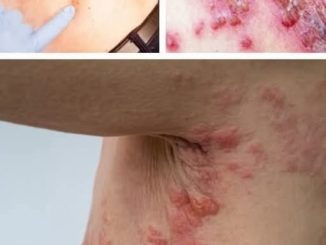
What are the symptoms of screwworm in humans?
The Federal Ministry of Health confirmed the third case of human myiasis caused by the screwworm ( Cochliomyia hominivorax ) in the state of Chiapas.
The affected patient, a 40-year-old man from the municipality of Mapastepec, was transferred to the “Ciudad Salud” Regional High Specialty Hospital in Tapachula, where he is receiving specialized medical care.

The situation
This new incident follows the two previously reported so far this year, which occurred in the municipalities of Acacoyagua and Tuzantán. All cases share a common characteristic: they were detected in rural communities near livestock areas, where the presence of this pest has been previously documented in animals.
Myiasis is a parasitic disease caused by fly larvae that feed on living tissue. In the case of screwworms, the female lays her eggs in open wounds, and after hatching, the larvae burrow deep into the host’s skin, causing severe infections.
Although its presence is common in livestock, cases in humans are rare and considered high risk due to the complications that can arise if not treated promptly.
Timely diagnosis and immediate medical treatment are essential to prevent deterioration of the affected tissue and prevent secondary infections that could worsen the patient’s condition.
In the three confirmed incidents in Chiapas, the affected individuals have been medically stabilized, although under close clinical monitoring.
In response to the increase in cases, the National Service for Agrifood Health, Safety, and Quality (SENASICA) has intensified its health control campaigns in the border area. These measures include inspections of infested animals, strategic fumigations, and surveillance at critical points to prevent the spread of the insect.
In addition, talks have begun with U.S. health authorities to coordinate joint strategies, as the reappearance of this pest jeopardizes Mexican cattle exports, which had been virtually eradicated in Mexico thanks to a binational sterile male release program implemented decades ago.
Its recent resurgence has raised alarm bells in the agricultural and public health sectors.
Buy vitamins and supplements
Authorities recommend that the public maintain strict hygiene on open wounds, avoid contact with infected animals, and seek medical advice immediately if signs of infection are detected. They have also requested that any suspected myiasis in animals or people be reported to local health services.
This increase underscores the importance of strengthening prevention campaigns, especially in rural areas where contact with livestock and wildlife is constant.